
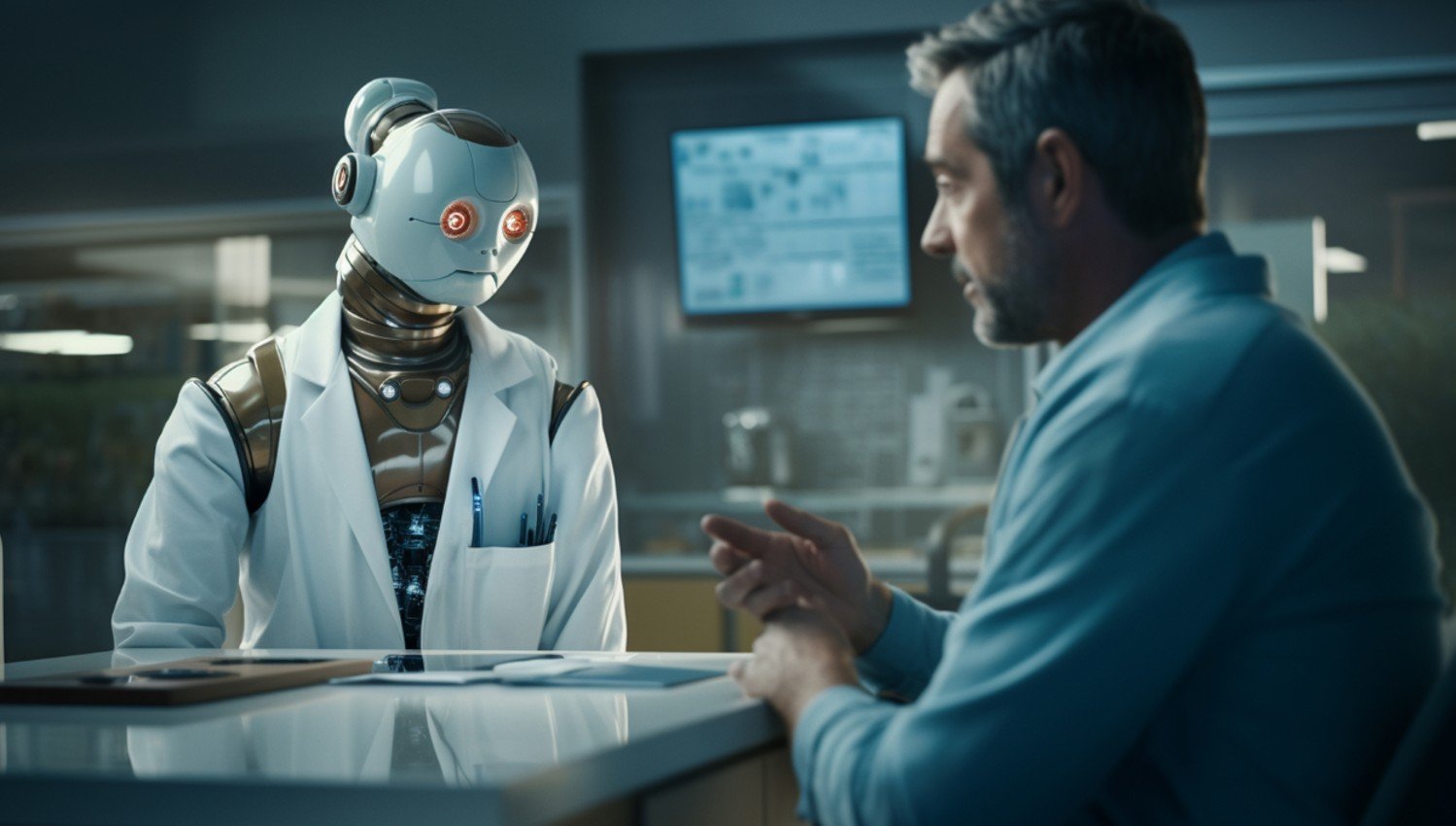
The intersection of artificial intelligence (AI) and healthcare has opened a new frontier in medical practice, and ChatGPT is at the forefront of this evolution. Developed by OpenAI, ChatGPT is a conversational AI that has showcased its potential across various industries, including healthcare. Its ability to generate human-like text enables it to assist with clinical decision-making, patient management, and medical education. This technology promises to support healthcare professionals in delivering more efficient and informed care. Below, we delve into ChatGPT’s current and future impact on medicine, from diagnostics to ethical considerations.
Understanding ChatGPT and Its Capabilities in Healthcare
ChatGPT is a cutting-edge language-processing AI that has been increasingly integrated into healthcare settings. Its sophistication lies in its natural language understanding and generation, which enable it to converse with medical professionals and patients in a seamless, intuitive manner. Beyond conversation, it can interpret medical literature, summarize findings, and even draft documentation, thereby streamlining workflow.
For seasoned professionals, ChatGPT for doctors offers a convenient platform for consultation on complex cases or rare conditions. It can act as a sounding board for differential diagnoses or potential treatment strategies, thereby enhancing the quality of patient care through shared knowledge.
In medicine, ChatGPT’s applications span from answering medical questions to providing evidence-based recommendations. It draws on vast databases of medical knowledge to inform its responses, making it a potentially valuable tool for doctors who need quick access to information. Moreover, it can be personalized to reflect the specific procedures and treatment protocols of a particular healthcare facility.
One of the most notable applications of ChatGPT is helping providers make sense of patient data. The AI can analyze and synthesize information from various sources, thereby highlighting relevant patterns and insights. This supports clinicians in making more accurate diagnoses and crafting effective treatment plans.
Despite its impressive capabilities, it’s critical to understand ChatGPT’s limitations in healthcare. It is an assistive tool that complements, rather than replaces, professional medical judgment. Healthcare providers must remain vigilant and critical of the AI-generated information, ensuring it aligns with the best clinical practices.
Revolutionizing Patient Diagnostics With AI-Powered Chatbots
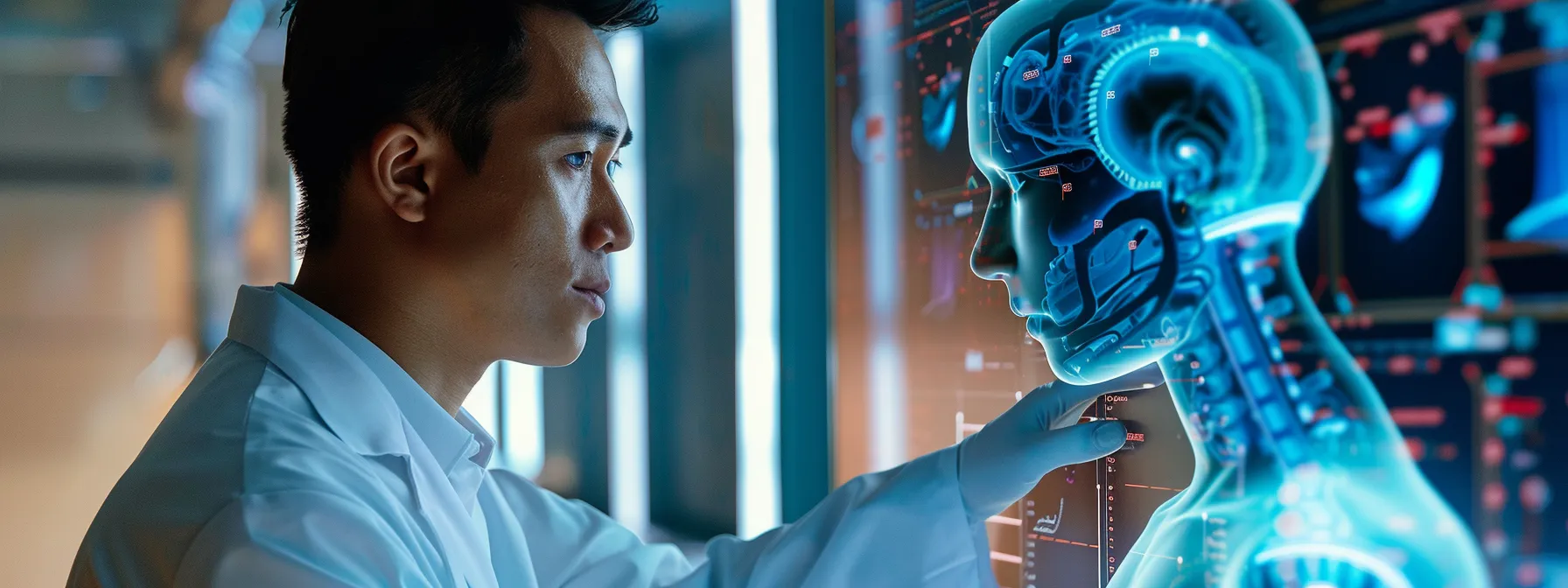
AI-powered chatbots like ChatGPT are transforming patient diagnostics by providing an initial symptom assessment before direct physician involvement. By interacting with patients through natural language, these chatbots can collect preliminary information, suggest potential diagnoses, and guide individuals on the next steps, whether it’s scheduling an in-person appointment or seeking immediate medical attention.
The role of AI chatbots in triage has been highlighted during periods of high healthcare demand, such as the COVID-19 pandemic. By automating the initial stages of patient interaction, ChatGPT allows healthcare professionals to focus on delivering care to those most in need, thereby optimizing resource allocation across health systems.
Nevertheless, the accuracy of AI-based patient diagnostics depends heavily on the quality of the data and the algorithms. Continuous machine learning and updates are essential to ensure that chatbots like ChatGPT remain reliable. Their role as adjunct diagnostic tools, therefore, is not to take autonomous actions but to support clinicians’ diagnostic processes.
It’s also worth noting that ChatGPT and similar chatbots are becoming increasingly adept at interpreting medical imaging and studies. They are increasingly used as first-line interpretation tools, alerting physicians to critical findings that may warrant expedited review. This leverages AI to enhance, rather than replace, medical professionals’ diagnostic acumen.
The Future of ChatGPT in Medical Education and Continuous Learning
The impact of ChatGPT extends beyond clinical practice into medical education and continuous learning for healthcare professionals. Its ability to quickly process and provide information on the latest medical research and treatment guidelines serves as a powerful tool for ongoing education. This facilitates the lifelong learning necessary for medical practitioners to stay current in their fields.
Furthermore, the interactive nature of ChatGPT enables it to simulate clinical scenarios for medical students and trainees, providing a risk-free environment for practice. This augmentation of traditional educational materials with intelligent simulations represents a significant leap forward in medical training, tailoring learning experiences to individual needs.
The integration of ChatGPT into medical practice demonstrates significant potential to enhance clinical workflows, diagnostics, medical education, and patient engagement. Overall, as this technology continues to evolve, it is primed to play a substantial role in shaping the future of healthcare delivery, provided that ethical considerations and patient privacy are diligently upheld.