

For many, the art of cooking is both a passion and a mystery. The difference between a novice and a skilled chef often lies in the depth of culinary knowledge and hands-on experience. Cooking classes like cooking class NYC offer the opportunity to bridge this gap, providing guidance, professional techniques, and the confidence needed to excel in the kitchen. Whether you’re dreaming of becoming a professional chef or simply aiming to improve your meal preparations at home, culinary education can be key to your success. Keep reading to discover how cooking classes can take you from a beginner to a chef in your own right.
The Journey From Novice to Skilled Chef With Cooking Classes
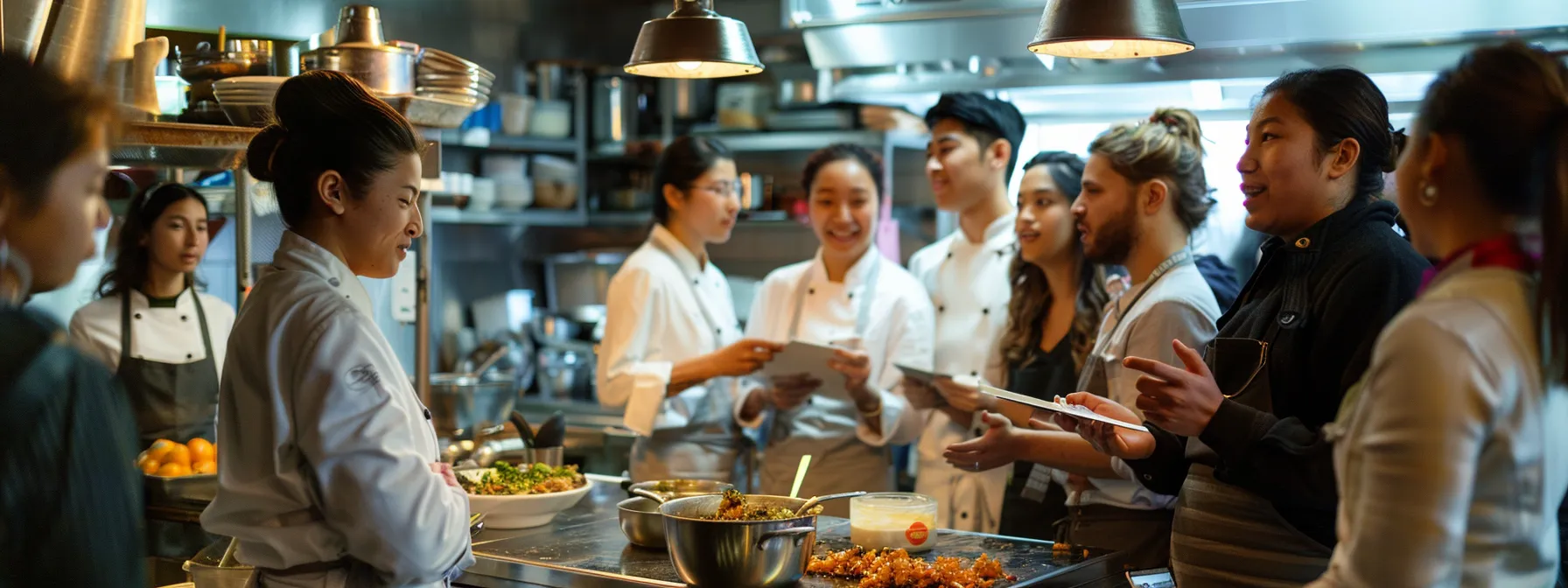
Embarking on a culinary education starts with a simple step: signing up for a cooking class. These classes, designed for all levels of expertise, are a gateway to mastering the language of the kitchen. From understanding cooking terms to becoming adept with various kitchen tools and gadgets, each class builds a solid foundation. Moreover, they are structured to guide each student through the nuances of preparation, cooking, and presentation.
Cooking classes in NYC, for instance, cater to the bustling life of the city, offering courses that fit into even the busiest schedules. These programs provide a hands-on environment where students can engage directly with ingredients and techniques. Through repeated practice and experimentation, students gain muscle memory and confidence that are essential in any cooking endeavor.
As one progresses through different levels of cooking classes, the benefits become clear. Not only do students learn to execute recipes with precision, but they also develop the ability to improvise and innovate in the kitchen. This adaptability is crucial for any chef looking to make a mark, whether in a home kitchen or a professional setting. Each class equips students with problem-solving tactics and a deeper understanding of flavors that pave the way for creative cooking.
Intermediate Techniques: Elevate Your Cooking With Advanced Classes
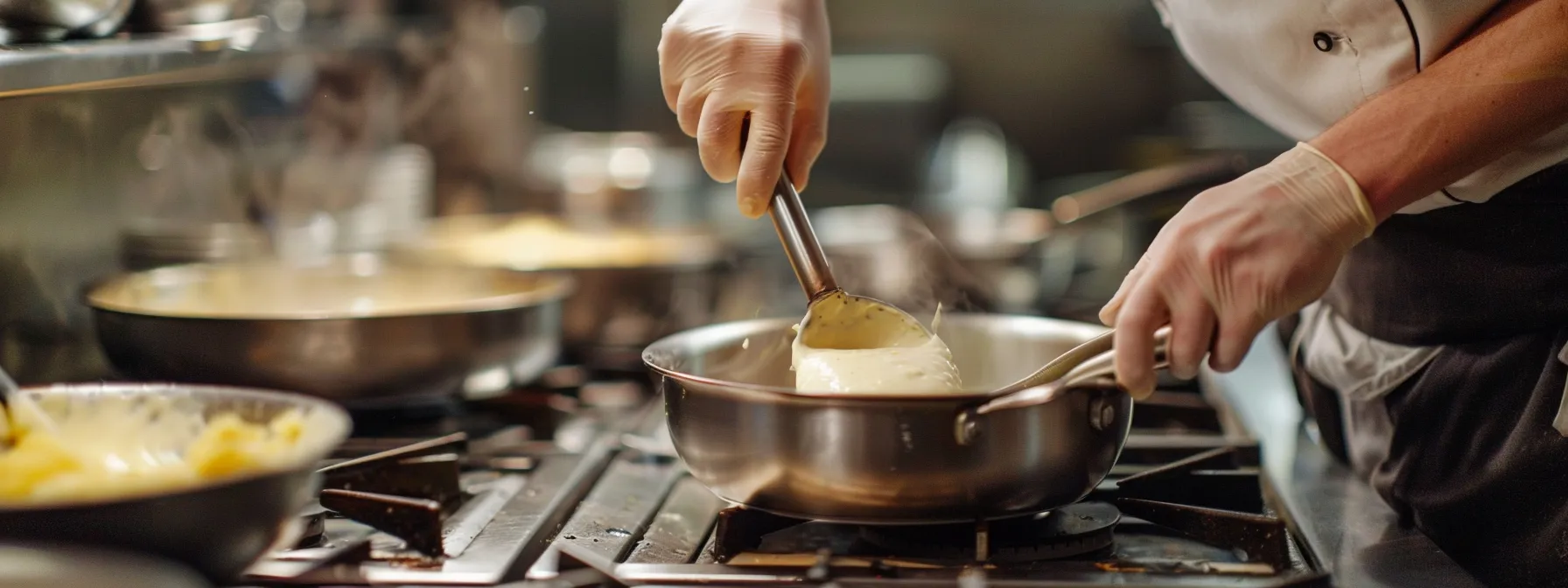
Once the basic skills are honed, intermediate cooking classes are ready to challenge students with more complex techniques. Here, there’s an introduction to the world of stocks and sauces—elements that add depth and richness to any plate. The making of a perfect béchamel, hollandaise, or demi-glace is an art form in itself, and mastering these can set a cook apart.
In these classes, precision cooking and timing become more pronounced. Students learn how to cook different types of proteins to perfection while mastering the art of searing, grilling, and poaching. Delicate tasks such as filleting fish or breaking down a whole chicken are taught with an emphasis on minimizing waste and maximizing flavor.
Specialty Cooking Classes: Exploring Global Cuisines and Techniques
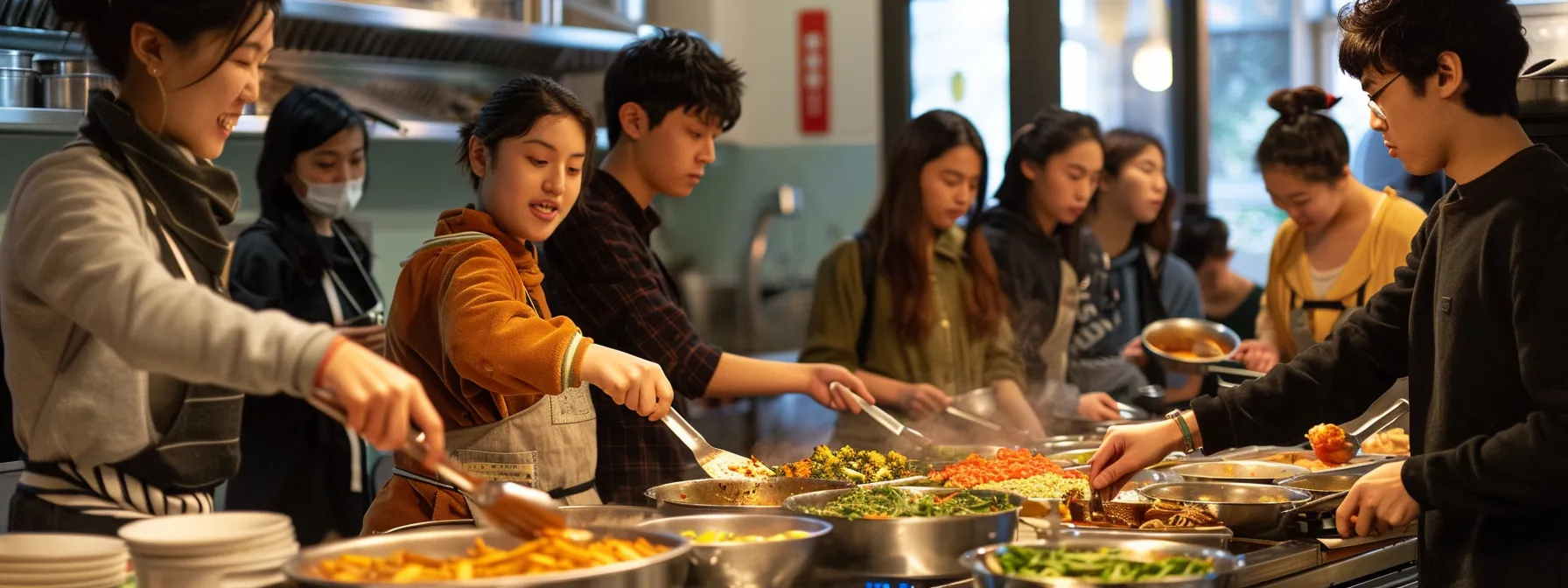
For those looking to expand their culinary horizons, specialty cooking classes offer a window into the vast world of global cuisines. Whether it’s the bold flavors of Mediterranean cooking, the complexity of Asian gastronomy, or the regional diversity of American cuisine, these classes provide an immersive experience. Students learn by preparing traditional dishes and understanding the historical and cultural contexts that shaped them.
Within specialty classes, there are also courses dedicated to dietary preferences and restrictions, like vegan, vegetarian, or gluten-free cooking. Such knowledge is invaluable, particularly in a professional context, where accommodating different dietary needs can set a restaurant apart. Chefs learn to navigate these specifications while still delivering delicious, satisfying meals.
The Social and Professional Perks of Culinary Education
Cooking classes also serve as social centers where like-minded food enthusiasts can connect. The environment fosters a sense of community, allowing students to collaborate and learn from each other’s experiences. These relationships can evolve into lasting friendships, professional partnerships, or simply networks where individuals can share recipes and tips.
On the professional side, the culinary skills acquired from cooking classes are an investment in one’s career. For those in the restaurant industry, these skills could lead to promotions or new job opportunities. There’s also the possibility of opening one’s own business, whether it’s a restaurant, catering service, or a personal chef enterprise. These ambitions can be realized with the expertise gained from formal culinary education.
Altogether, the transformation from a novice to a chef is a journey filled with learning, challenges, and fulfillment. Cooking classes are an essential vehicle for this transformation, providing the tools, techniques, and understanding necessary to flourish in the culinary world. Whether for personal satisfaction or professional aspiration, culinary education opens a realm of possibilities that enriches both the palate and the spirit.