
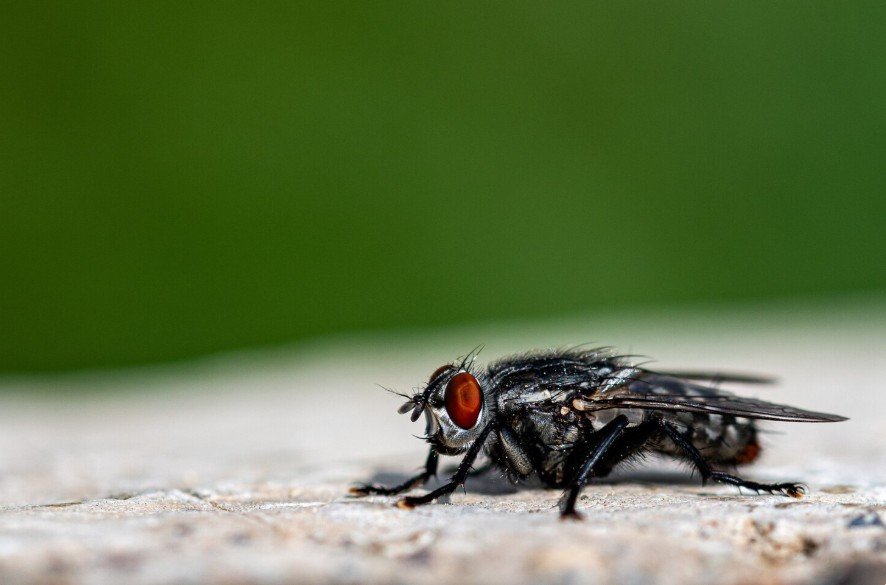
Fruit flies are among the most common and frustrating household pests. Nearly everyone has experienced the sudden appearance of tiny flies hovering around fruit bowls, sinks, or trash cans, often seeming to multiply overnight. While fruit flies are small, their presence can quickly become overwhelming, unhygienic, and difficult to control if not addressed properly.
This comprehensive guide explores fruit flies in depth, including what they are, why they infest homes, how quickly they reproduce, and most importantly, how to get rid of fruit flies’s effectively and prevent them from coming back. Drawing on entomological research, pest control expertise, and real-world experience, this article is designed to provide practical, trustworthy, and actionable guidance for homeowners.
What Are Fruit Flies and Why Are They So Common?
Fruit flies, scientifically known as Drosophila melanogaster, are tiny insects typically measuring between two and four millimeters in length. They are often light brown or tan with distinctive red eyes. Despite their small size, fruit flies’s are highly efficient survivors with an extraordinary ability to locate food sources and reproduce rapidly.
Fruit flies are attracted to fermenting sugars, which is why ripe or rotting fruit is their primary target. However, they are not limited to fruit alone. They can thrive on spilled juice, alcohol, soda, vinegar, overripe vegetables, and even organic residue in drains and garbage disposals. This adaptability makes them especially common in kitchens, pantries, and other areas where food is prepared or stored.
One reason fruit flies’s are so widespread is their short life cycle. Under ideal conditions, a fruit fly can go from egg to adult in as little as eight to ten days. A single female fruit fly can lay hundreds of eggs, often depositing them on the surface of fermenting food or in moist organic matter. This rapid reproduction explains why a minor issue can escalate into a full infestation in just a few days.
The Science Behind Fruit Fly Infestations
Understanding why fruit flies appear is essential if you want to get rid of fruit flies’s permanently. Fruit flies rely heavily on their sense of smell, which is exceptionally sensitive to fermentation byproducts such as ethanol and acetic acid. These chemical signals guide them directly to food sources, even from outside the home.
Once inside, fruit flies’s seek out warm, moist environments where food is readily available. Kitchens provide ideal conditions, especially when fruits are left uncovered, trash bins are not sealed, or drains contain organic buildup. Even recycling bins with traces of wine or beer can attract fruit flies.
Temperature also plays a role. Fruit flies’s thrive in warmer conditions, which is why infestations are more common during spring and summer. However, indoor heating allows them to survive year-round, making them a persistent problem in many households.
Are Fruit Flies Dangerous to Humans?
Fruit flies do not bite, sting, or directly harm humans in the way mosquitoes or cockroaches might. However, they are not entirely harmless. Fruit flies can carry bacteria and microorganisms picked up from decaying matter, garbage, and drains. When they land on food preparation surfaces or fresh produce, they may transfer these contaminants.
Research has shown that fruit flies’s can harbor bacteria such as E. coli and Salmonella under certain conditions. While the risk of illness from fruit flies’s is relatively low for healthy individuals, the presence of fruit flies’s in food-related areas is still considered unhygienic and undesirable. For households with young children, elderly individuals, or compromised immune systems, eliminating fruit flies becomes even more important.
Common Signs of a Fruit Fly Problem
The most obvious sign of a fruit fly infestation is seeing small flies hovering around fruit bowls, countertops, or sinks. You may also notice them congregating near trash cans, recycling bins, or drains. In some cases, fruit flies can be seen resting on walls or windows, especially during the day.
Another sign is the persistence of flies despite swatting or cleaning. If fruit flies’s keep reappearing, it usually indicates that eggs or larvae are present somewhere in the home. Identifying and eliminating the breeding source is critical if you want to get rid of fruit flies successfully.
How to Get Rid of Fruit Flies in the House Naturally
Many homeowners prefer to start with natural methods when figuring out how to get rid of fruit flies in the house. Natural approaches can be highly effective when combined with proper sanitation and prevention strategies.
One of the most important steps is removing attractants. All ripe or overripe fruits should be stored in the refrigerator rather than left out on countertops. Vegetables, especially those prone to decay, should also be checked regularly and discarded if they show signs of spoilage. Cleaning spills immediately and wiping down surfaces with warm, soapy water helps eliminate food residues that attract fruit flies’s.
Drains are a commonly overlooked breeding site. Organic matter can accumulate inside pipes, creating a perfect environment for fruit fly larvae. Flushing drains with boiling water, followed by a mixture of baking soda and vinegar, can help break down residue. Regular drain maintenance is essential for long-term control.
Natural traps can also play a role. A simple trap made with apple cider vinegar covered loosely with plastic wrap can attract fruit flies, preventing them from escaping. While traps alone will not solve an infestation, they can reduce the adult population while other measures address the source.
How to Kill Fruit Flies Using Proven Methods
When infestations are severe, homeowners may look for faster ways to eliminate fruit flies. Understanding how to kill fruit flies effectively involves targeting both adults and their breeding sites.
Commercial fruit fly traps are designed to lure and capture adult flies using attractants similar to fermenting fruit. These products can be effective when placed near infestation hotspots. However, they work best as part of a broader strategy that includes sanitation and exclusion.
Insecticides are generally not recommended for fruit fly control inside homes. Because fruit flies’s are often found near food and food preparation areas, chemical sprays pose unnecessary risks. Additionally, insecticides do not address the root cause of the infestation and may only provide temporary relief.
A more effective approach focuses on breaking the fruit fly life cycle. Eliminating eggs and larvae by removing breeding materials is far more impactful than simply killing adult flies. Consistent cleaning, combined with targeted trapping, usually results in noticeable improvement within a week.
Why Fruit Flies Keep Coming Back
Many people feel frustrated when fruit flies return after they believe the problem has been solved. This recurrence often happens because the breeding source was never fully eliminated. Fruit fly eggs are extremely small and can be hidden in places that are easy to miss, such as the bottom of trash cans, under appliances, or inside drain pipes.
Another reason fruit flies’s persist is continued access from outside. Fruit flies’s can enter homes through open windows, doors, or gaps in screens. Once inside, they quickly locate food sources. Sealing entry points and using window screens can significantly reduce new infestations.
Consistency is key. Sporadic cleaning or occasional trapping is rarely enough. A sustained effort over several weeks is often necessary to completely get rid of fruit flies and prevent reinfestation.
Also Read: Gonzay A Comprehensive Guide to Gonzay.com in 2025
How to Get Rid of Fruit Flies Long-Term Through Prevention
Prevention is the most reliable solution for fruit fly control. Once you understand what attracts fruit flies, you can make small but impactful changes that dramatically reduce the likelihood of future problems.
Proper food storage is one of the most effective preventive measures. Keeping fruits and vegetables refrigerated, sealing pantry items, and cleaning containers regularly minimizes available food sources. Trash and recycling bins should be emptied frequently and washed to remove residue.
Maintaining kitchen hygiene is equally important. Daily wiping of countertops, stovetops, and sinks prevents the buildup of sugars and organic matter. Floors should be swept and mopped regularly, especially in areas where food is prepared or consumed.
Monitoring drains on a regular basis helps prevent hidden breeding sites. Pouring hot water down drains weekly and using enzymatic cleaners can keep pipes free of organic buildup. These preventive steps make the environment far less attractive to fruit flies.
Fruit Flies Versus Similar Household Pests
Fruit flies are often confused with other small flies, such as drain flies or fungus gnats. While they may look similar, their behavior and breeding sites differ. Fruit flies’s are primarily attracted to fermenting food, whereas drain flies breed in slimy residue inside pipes, and fungus gnats are associated with overwatered houseplants.
Accurate identification matters because treatment methods vary. If flies are coming from potted plants rather than fruit bowls, the issue may not be fruit flies’s at all. Observing where flies gather most frequently can help determine the correct approach.
When to Consider Professional Pest Control
In most cases, fruit fly infestations can be managed without professional help. However, there are situations where expert intervention may be necessary. If fruit flies persist despite thorough cleaning and preventive measures, or if the source cannot be identified, a licensed pest control professional can conduct a detailed inspection.
Professionals have access to specialized tools and treatments that target breeding sites more precisely. They can also help identify structural issues, such as hidden moisture problems or plumbing defects, that may be contributing to the infestation.
The Economic and Environmental Impact of Fruit Flies
Beyond household annoyance, fruit flies have a significant impact on agriculture and the food industry. They are known to cause damage to crops and contaminate food products, leading to economic losses worldwide. In laboratories, fruit flies’s are widely used as model organisms in genetic research due to their rapid reproduction and simple genome.
From an environmental perspective, fruit fliess play a role in breaking down organic matter in nature. While this is beneficial outdoors, it becomes problematic when they invade human living spaces. Balancing effective control with environmentally responsible methods is an important consideration.
Conclusion: Taking Control of Fruit Flies’s in Your Home
Fruit flies may be small, but they can cause outsized frustration when they invade your home. Understanding what fruit fliess are, why they appear, and how quickly they reproduce is the foundation of effective control. By addressing food sources, eliminating breeding sites, and maintaining consistent hygiene, it is entirely possible to get rid of fruit fliess and keep them from returning.
Whether you are looking for natural solutions, learning how to kill fruit flies’s safely, or seeking long-term prevention strategies, the key lies in persistence and attention to detail. A clean, well-maintained home is the most powerful defense against fruit flies’s.