
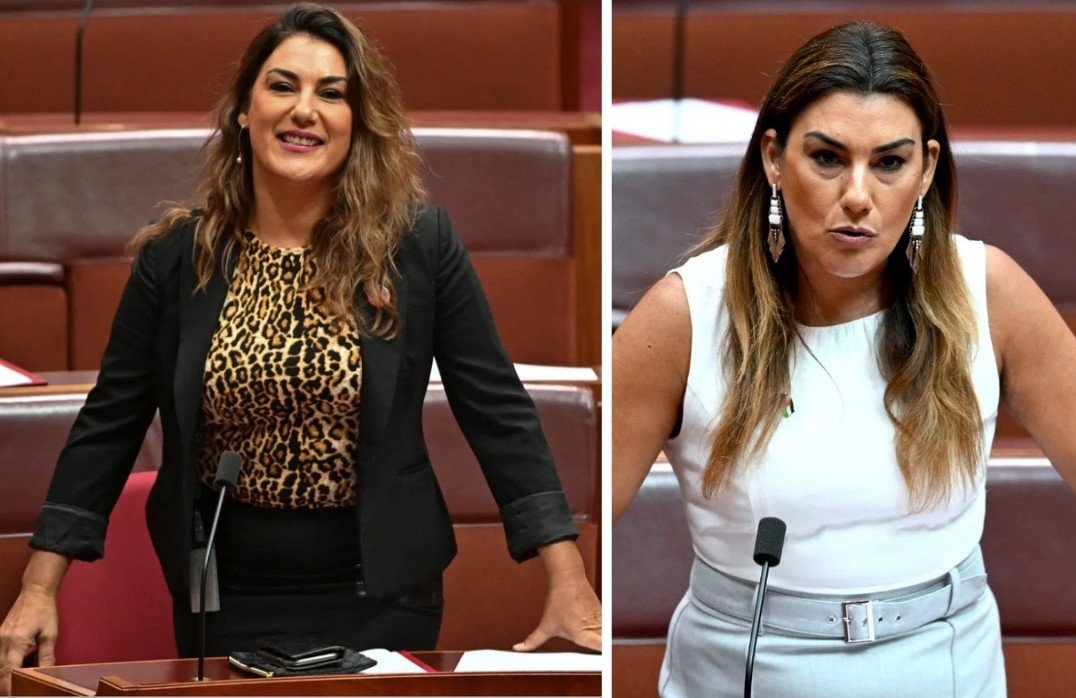
Lidia Thorpe continues to be one of the most influential and discussed political figures in Australia, and public interest in her story has only intensified as the 2025 election approaches. Whether people are searching for Lidia Thorpe news, clarifying when she will next face voters, or looking for details about her background, net worth or political positions, her role in shaping national conversations is undeniable. Her strong advocacy for Indigenous sovereignty, justice reform, environmental protection and political accountability has positioned her as a central figure in the shift toward more outspoken, values-driven leadership.
Who Is Lidia Thorpe?
Lidia Alma Thorpe is an Independent Senator for Victoria and one of Australia’s most prominent Indigenous politicians. She is a Gunnai–Gunditjmara woman whose upbringing, identity and lived experiences heavily inform her policy positions. Thorpe entered the Australian Parliament with a strong background in activism and community organising, eventually becoming the first Aboriginal woman elected to the Victorian Parliament before moving on to serve in the Federal Senate. Despite entering federal politics as a member of the Australian Greens, she later became an Independent to pursue her advocacy more freely, especially on issues connected to sovereignty and Indigenous rights.
Her political journey has been marked by bold, unapologetic stances that often challenge traditional political narratives. As a result, she is both widely supported by activists and frequently scrutinised by media, making her one of the most recognisable and talked-about political voices of the decade.
Quick Bio Table: Lidia Thorpe
| Category | Details |
|---|---|
| Full Name | Lidia Alma Thorpe |
| Born | 18 August 1973, Melbourne, Australia |
| Heritage | Gunnai–Gunditjmara woman |
| Current Position | Independent Senator for Victoria |
| Former Political Party | Australian Greens |
| Known For | Indigenous sovereignty advocacy, justice reform, climate activism |
| Relationship Status / Husband | Public searches for “lidia thorpe husband” often trend, but she has not publicly confirmed having a husband; she is a mother of three and has discussed past relationships |
| Estimated Net Worth | Public estimates place her net worth at roughly AUD $1–2 million, based on parliamentary salary and career earnings |
| Next Re-Election | She is not up for re-election in the 2025 federal election; her Senate term runs until 2028 |
Early Life and Cultural Foundations
Lidia Thorpe’s early life is integral to understanding her political identity. Born in Melbourne to a politically active Aboriginal family, she grew up in Collingwood in social-housing environments where she experienced firsthand the structural inequalities affecting Indigenous communities. Her mother, Marjorie Thorpe, is a respected activist and former commissioner on the Council for Aboriginal Reconciliation. This family legacy of resistance and advocacy deeply influenced Lidia’s worldview.
Cultural identity plays a central role in her approach to politics. Thorpe often speaks about the importance of unceded land, traditional ownership, community responsibility and intergenerational trauma. Her sense of responsibility to Country and culture shapes her positions on sovereignty, justice, Treaty and environmental protection. She has repeatedly said that her activism is a continuation of the work done by generations before her, positioning her not just as a politician but as a voice for longstanding community struggles.
Foundations in Activism and Community Leadership
Before entering formal politics, Thorpe was widely known in community and activist circles. She worked in roles that involved community consulting, Indigenous policy advising and representing First Nations interests at local, state and national levels. Her advocacy included participating in land-rights protests, community justice initiatives, anti-racism campaigns and education programs designed to empower young Indigenous voices.
Her leadership style was shaped by years spent listening to grassroots communities, amplifying issues often ignored in mainstream politics. Those who worked with her during this time frequently describe her as a passionate communicator, unafraid to address systemic injustices. This reputation earned her significant respect among activists long before she entered Parliament and provided a strong foundation for her transition into political office.
Entering the Victorian Parliament
In 2017, Lidia Thorpe made history by becoming the first Aboriginal woman elected to the Victorian Legislative Assembly. Her victory in the Northcote by-election represented a landmark moment for Indigenous representation and brought her into the broader national spotlight.
During her time in the Victorian Parliament, she championed causes such as Treaty development, protection of sacred sites, improving child-protection systems and strengthening environmental legislation. Her work was often driven by a desire to centre First Nations perspectives in policymaking, something she believed had been missing from Victorian politics. The experience also demonstrated her ability to navigate institutional systems while maintaining her activist roots.
Transition to the Federal Senate
Thorpe’s move to federal politics began in 2020, when she was appointed to fill the casual Senate vacancy created by the resignation of former Greens leader Richard Di Natale. Her arrival in Canberra signalled a significant shift in the national conversation about Indigenous rights, particularly regarding the Voice to Parliament and the Uluru Statement from the Heart.
Almost immediately, Thorpe became known for her forthright speeches and her strong commitment to centring Indigenous sovereignty. Her positions often challenged mainstream narratives, drawing both praise and criticism. Regardless of the political divide, her presence undeniably influenced the national debate and reframed public conversations about Australia’s responsibility to First Nations peoples.
Key Political Positions and Core Advocacy
Lidia Thorpe’s positions are grounded in her lived experiences and cultural identity, shaping a political philosophy focused on sovereignty, justice, environmental guardianship and systemic reform.
Her stance on Indigenous sovereignty is one of the most defining aspects of her political identity. Thorpe has consistently argued that no meaningful reconciliation can exist without acknowledging that sovereignty was never ceded and that Treaty must precede advisory bodies such as the Voice to Parliament. This view often places her at the centre of national debate, drawing attention from supporters who value her firm commitment and critics who challenge her approach.
Justice reform is another core area of her work. Thorpe has repeatedly highlighted the over-representation of Indigenous people in prisons, high rates of deaths in custody and systemic racism within policing and legal systems. She often cites both quantitative data and personal narratives, bringing urgency to issues that have historically been ignored.
Environmental protection is deeply intertwined with her cultural identity. Thorpe consistently speaks about her responsibility to Country and the need to approach climate change through Indigenous land-management knowledge. Her advocacy emphasises protecting waterways, forests and sacred sites while challenging extractive industries that threaten cultural heritage.
Women’s rights and anti-violence campaigns are also central to her public life. Thorpe has shared her own experiences of domestic violence, using her platform to raise awareness and advocate for better protections for women and children. Her openness about her past has strengthened her connection with many survivors and added both emotional and experiential weight to her policy perspective.
Lidia Thorpe News and Media Presence
Public interest in Lidia Thorpe news has expanded rapidly, and her presence in the media reflects her influence on national discourse. News coverage frequently highlights her speeches in Parliament, her commentary on Indigenous policy, her role as a high-profile Independent and her involvement in national debates about justice, police reform and environmental protection.
Media coverage also focuses heavily on her unique political position: she is not aligned with any major party, giving her freedom to speak without internal constraints. This independence often makes her one of the most unpredictable and closely watched members of the Senate. Her comments frequently set off broader national discussions, and her stance on major legislation is regularly considered pivotal.
Also Read: Magento Service Gonzay Expert Ecommerce Solutions for Growth
Leaving the Greens and Becoming an Independent
In February 2023, Lidia Thorpe announced that she would leave the Australian Greens and sit as an Independent Senator. Her departure was one of the most widely discussed political events of the year. She explained that she wanted to pursue a political path focused entirely on Indigenous sovereignty without the limitations of party structures.
Becoming an Independent allowed her to vote freely on legislation, advocate without party constraints and strengthen her connection to grassroots activism. The move also shifted the balance of power in the Senate and elevated her influence over key national decisions. This new phase of her career has allowed her to shape national debates more directly, especially as issues relating to Indigenous rights became central political themes in 2023, 2024 and 2025.
Lidia Thorpe and the 2025 Election
A large portion of public searches in Australia today include phrases like Lidia Thorpe 2025 election or questions about when she will next face voters. Despite the rising attention, Thorpe is not up for re-election in the 2025 federal election. Senate terms are longer than House of Representatives terms, and her current term runs until 2028.
Because she does not need to campaign in 2025, she has more freedom to focus on legislative work, advocacy and building her policy platform. Her absence from the 2025 ballot has also fuelled discussions about how influential she may be during the campaign period, especially as major parties debate issues connected to Indigenous rights, environmental policy and justice reform—areas where Thorpe’s voice is particularly strong.
When Is Lidia Thorpe Up for Re-Election?

One of the most common public questions is: when is Lidia Thorpe up for re-election? Her Senate term officially ends on 30 June 2028. The election to determine whether she returns to Parliament will occur before that date, depending on the timing of the federal election cycle. The Australian government may hold the next election any time before 2028, but Thorpe’s position remains secure until that cycle occurs.
This timeline means that the 2025 election will shape the political environment she works in but will not directly determine her own seat. It also allows her several more years to influence national politics without immediate electoral pressure.
Lidia Thorpe’s Personal Life and Public Interest
Interest in her personal life has risen alongside her political profile. Many Australians search for information about a Lidia Thorpe husband, but she has not publicly confirmed having a husband. She is a mother of three and has occasionally spoken about her past relationships, though she usually keeps her personal life private. Her experiences as a single mother have been part of her public narrative, contributing to her advocacy for family support programs, anti-violence policies and community-based services.
Estimated Net Worth and Public Financial Interest
Searches for Lidia Thorpe net worth have increased, particularly among voters wanting a clearer picture of her career and earnings. Most public estimates place her net worth at roughly AUD $1–2 million. This estimate includes her parliamentary salary, superannuation, past work in community and political organisations, and potential property or investment assets. Like most public officials, she is required to disclose financial interests, although precise details of her assets remain private.
Her net worth is typical of senior federal politicians and does not place her among the wealthiest members of Parliament. Public discussion of her finances tends to focus less on wealth and more on her advocacy and legislative priorities.
Influence on Younger Voters and Grassroots Movements
Thorpe’s outspoken and unapologetic style resonates strongly with younger voters, particularly those involved in social movements. Her willingness to break from party structures and her consistent message on sovereignty and justice has made her a significant figure in modern Australian activism. Younger voters often see her as a politician who reflects their values. Prioritising transparency, cultural identity, climate action and challenging systemic norms.
Grassroots groups focused on Indigenous rights often reference Thorpe as a leading voice, and her speeches are widely shared on social media platforms. Her influence extends beyond Parliament, shaping public dialogue and pushing traditional institutions to reconsider their approach to long-standing issues.
Criticisms, Challenges and Political Controversy
Like many outspoken political figures, Lidia Thorpe faces criticism alongside support. Media organisations often highlight moments of confrontation, public disagreements or strong statements that spark debate. Some critics argue that her rhetoric is divisive. While supporters argue that she brings necessary truth-telling to a political system uncomfortable with confronting its own history.
Her stance on the Voice to Parliament—advocating Treaty first—created significant national debate. While many First Nations activists supported her position, others disagreed, leading to internal tensions within Indigenous communities. Despite these challenges, Thorpe has continued to advocate strongly for her principles. Maintaining that her role is to reflect the voices of her community rather than conform to political expectations.
Legislative Impact and National Contribution
Even as an Independent, Thorpe remains influential within the Senate. Her ability to negotiate, question and challenge legislation has shaped numerous national discussions. She has played key roles in debates on justice reform, surveillance laws, environmental protection and Aboriginal cultural heritage. Her presence in Parliament ensures that First Nations issues are consistently raised, scrutinised and debated at the highest levels.
Her speeches regularly address the intersection of social justice, environmental preservation and Indigenous sovereignty. This combination allows her to influence legislation not only through votes but also through shaping public understanding of key issues.
Also Read: Gonzay.com Digital Marketing Complete Expert Guide 2025
The Future of Lidia Thorpe in Australian Politics
Looking beyond 2025, Thorpe’s trajectory suggests a continued rise in political prominence. She has indicated that her long-term goals include strengthening national understanding of sovereignty, achieving meaningful Treaty negotiations and ensuring Indigenous communities have genuine control over decisions that affect their lives.
Given her growing influence, many analysts predict that she will continue to hold a significant place in Australia’s political landscape leading into the next election cycle. Her potential re-election campaign in 2028 is likely to attract major attention. Particularly as younger voters become more politically active and Indigenous issues remain central to national debate.
Conclusion
Lidia Thorpe remains a defining voice in Australia’s political transformation. Her advocacy for Indigenous sovereignty, justice reform, environmental protection and systemic accountability continues to shape public conversation and influence national policymaking. Although she will not appear on the ballot in the 2025 federal election. Her impact on political discourse will be significant throughout the campaign period and beyond. As public interest in Lidia Thorpe news, her biography, net worth, personal life and future direction continues to grow. She stands as one of the most important and influential figures in contemporary Australian politics.
Frequently Asked Questions
Is Lidia Thorpe up for re-election in 2025?
No. Her Senate term expires in 2028.
Does Lidia Thorpe have a husband?
She has not publicly confirmed having a husband and generally keeps her personal relationships private.
What is Lidia Thorpe’s net worth?
Public estimates place her net worth at approximately AUD $1–2 million.
What is Lidia Thorpe known for?
She is widely known for advocating Indigenous sovereignty, justice reform, climate action and political accountability.